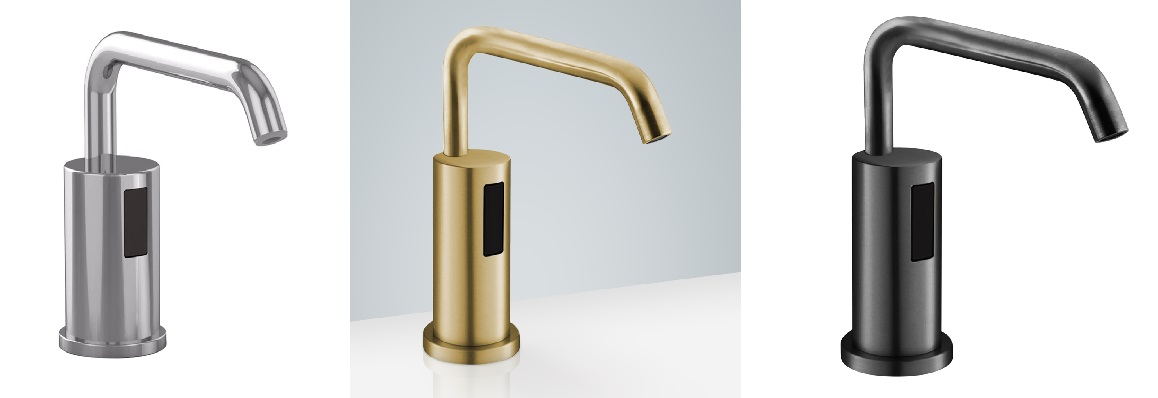
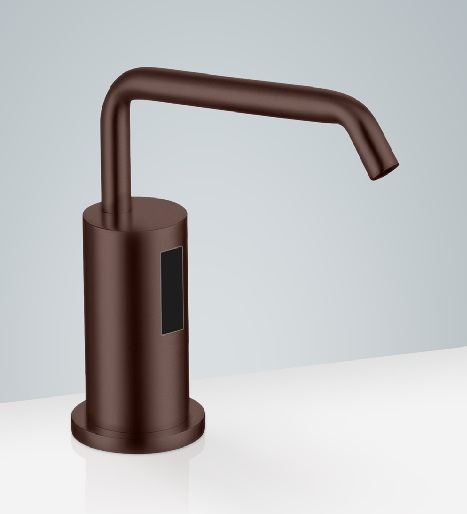
How does a stand-alone automatic soap dispenser work?
A stand-alone automatic soap dispenser incorporates an infrared motion sensor that detects when a hand is held under the nozzle. When movement is detected by the sensor, it triggers a tiny pump that dispenses a predetermined amount of soap. The sensor sensitivity and soap to be dispensed volume can normally be regulated manually or electronically, depending on the product. The system is normally battery-operated or rechargeable, ensuring sanitary and touch-free functioning.
What type of soaps can be fitted into an automatic soap dispenser?
Automatic soap dispensers typically accommodate liquid soap, foam soap, and sometimes hand sanitizer, depending on the pump mechanism. Liquid soap units require a soap of suitable viscosity, not too thick, and free from big particles, which would clog the pump. Foam soap dispensers contain a special pump to aerate soap to create foam. Reading the manufacturer's manual is necessary to avoid damage and ensure proper function.
How do I maintain and clean a free-standing automatic soap dispenser?
To maintain an automatic soap dispenser in operational status, clean the nozzle and sensor regularly to prevent soap residue from clogging them, which reduces sensor accuracy and soap flow. The sensor can be cleaned with a soft, damp cloth and without chemicals that might harm the electronics. If clogged, warm water may be passed through the pump to break up soap residue. Regularly drain and rinse out the soap reservoir when switching soap types to prevent clogging and to maintain it clean.
For how long do batteries last in a battery-operated automatic soap dispenser?
An automatic soap dispenser battery life will be based on use and the type of batteries used. Six months to one year of everyday normal use, in most cases, can get average AA or AAA batteries. They have modes and features where there are auto shut-offs to enhance battery performance. Rechargeable types would survive for many months from one battery charge and last depending on their frequency of usage. Watching the battery meters, if equipped, will prevent them from giving a surprise low on power.
Can the dispensing volume for the soap be controlled in an automatic dispenser?
The majority of automatic soap dispensers possess variable volume settings for the quantity of soap dispensed per act. Adjustments are typically done through a control button, dial, or digital indicator, whereby you can increase or decrease the volume of soap dispensed. Variable volume controls help in regulating soap usage, conserving it, and accommodating changing requirements, i.e., hand washing versus cleaning large items.
What can I do if the sensor of my automatic soap dispenser is faulty?
If the sensor is faulty, you can first ensure that the power source is working properly, the batteries are not depleted or the unit is charged. Clean the sensor with a clean soft cloth to remove dirt, soap scum, or water spots which can impair its function. Make sure that the dispenser is not under direct sunlight or reflective surfaces, as these affect sensor function. If this fails, consult the user manual for reset procedures or troubleshooting.
How do I refill the soap reservoir of a standalone automatic soap dispenser?
To refill the soap reservoir, turn off the dispenser first to prevent accidental operation. Open the bottle as instructed by the manufacturer, such as by removing a cap or lifting off a lid. Fill the reservoir with the proper soap type, but do not overfill it. Tight-close the bottle after filling, turn the dispenser on once more, and test it to ensure proper function. If the dispenser must be primed, press the sensor a few times to fill the pump with soap.
Can an automatic soap dispenser be used in high-traffic areas?
Yes, automatic soap dispensers function well in busy areas such as public restrooms, kitchens, and healthcare settings. Most of them come with large soap tanks, sensitive sensors, and heavy-duty construction to withstand frequent use. In commercial settings, one would be better off with a model having an integral lockable mechanism that locks the soap reservoir in place and deters tampering. To save time in busy settings, choosing a dispenser with high dispensing capacity and quick sensor response will be helpful.
Are free-standing automatic soap dispensers water-resistant?
Most free-standing automatic soap dispensers are water-resistant rather than waterproof. That means they can withstand accidental splashes and damp environments, but must never be submerged or sprayed with direct jets of water. Some dispensers include rubber gaskets and water-resistant buttons that protect the internal electronics. To function best, keep the dispenser away from where it could be subjected to high humidity, and always follow the manufacturer's care instructions.
What are the benefits of a free-standing automatic soap dispenser compared to a manual dispenser?
Automatic soap dispensers have a cleaner option compared to manual ones in providing a touch-free experience with minimal germ and bacteria transmission. They also give a consistent dispensing of soap without wastage and in the right amount each time. Most models are adjustable, more efficient in heavy traffic, and can be a part of an up-to-date and streamlined appearance. In addition, aspects like LED lights, adjustability, and the capability to alter sensor range also enhance convenience and enhance the user experience.


.jpg)