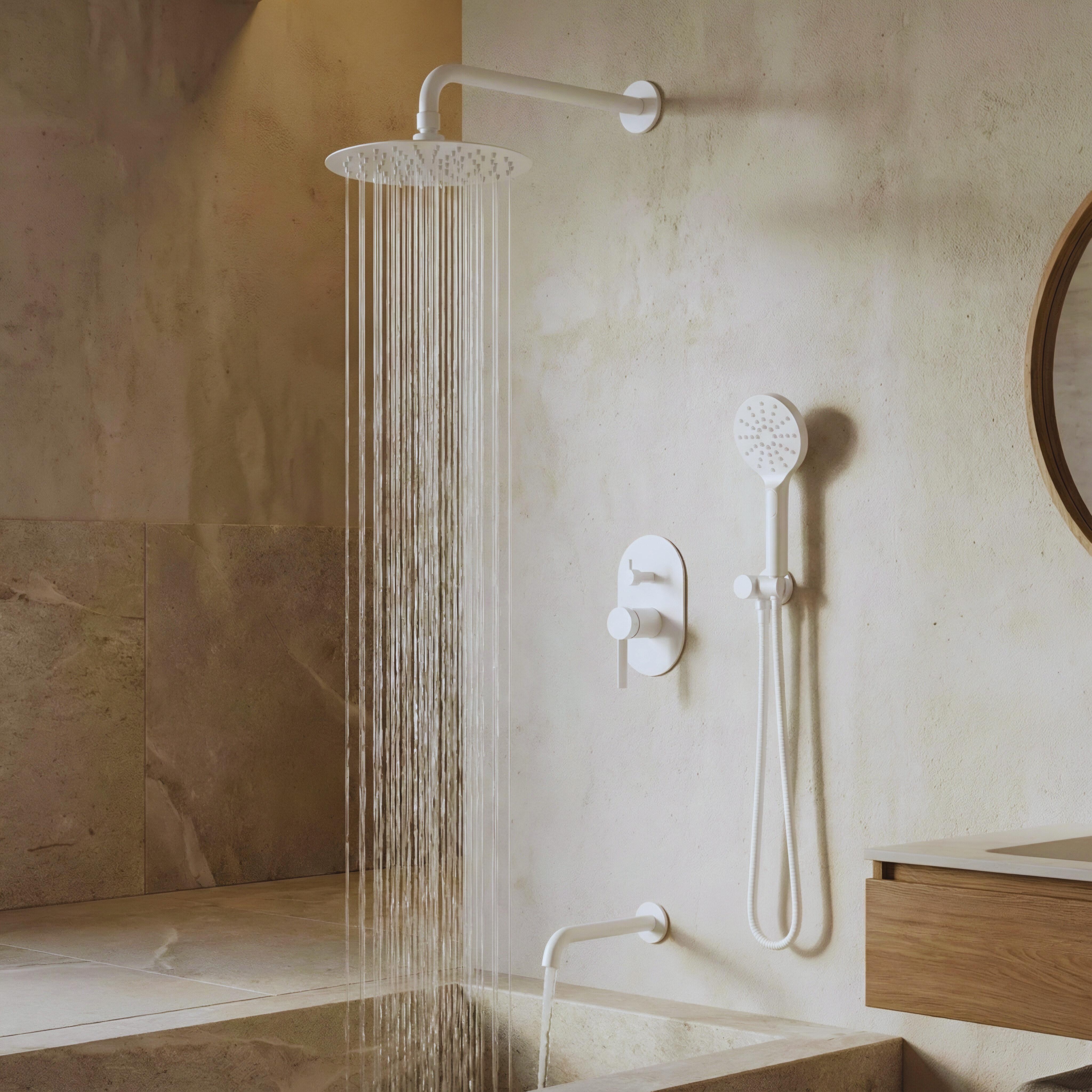
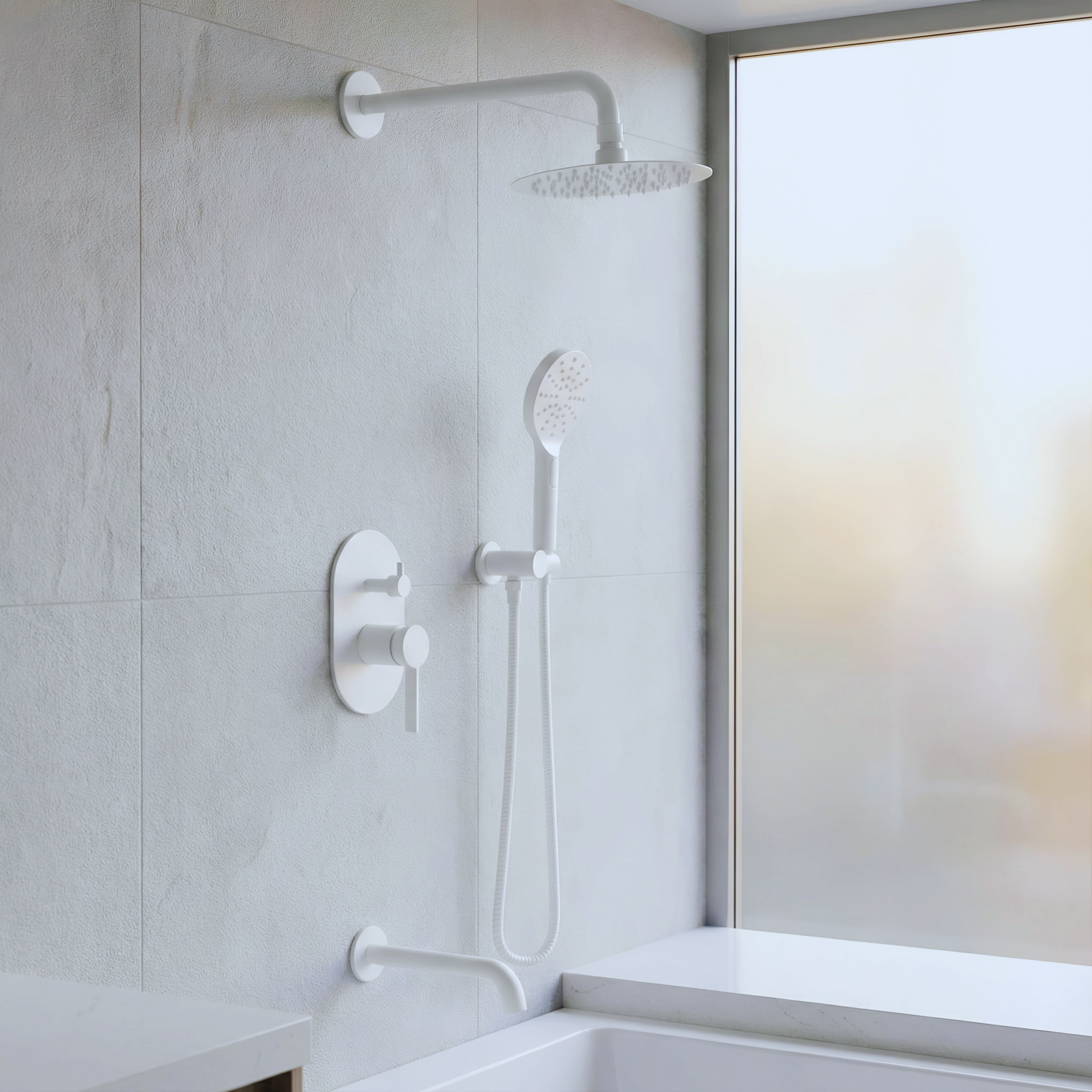
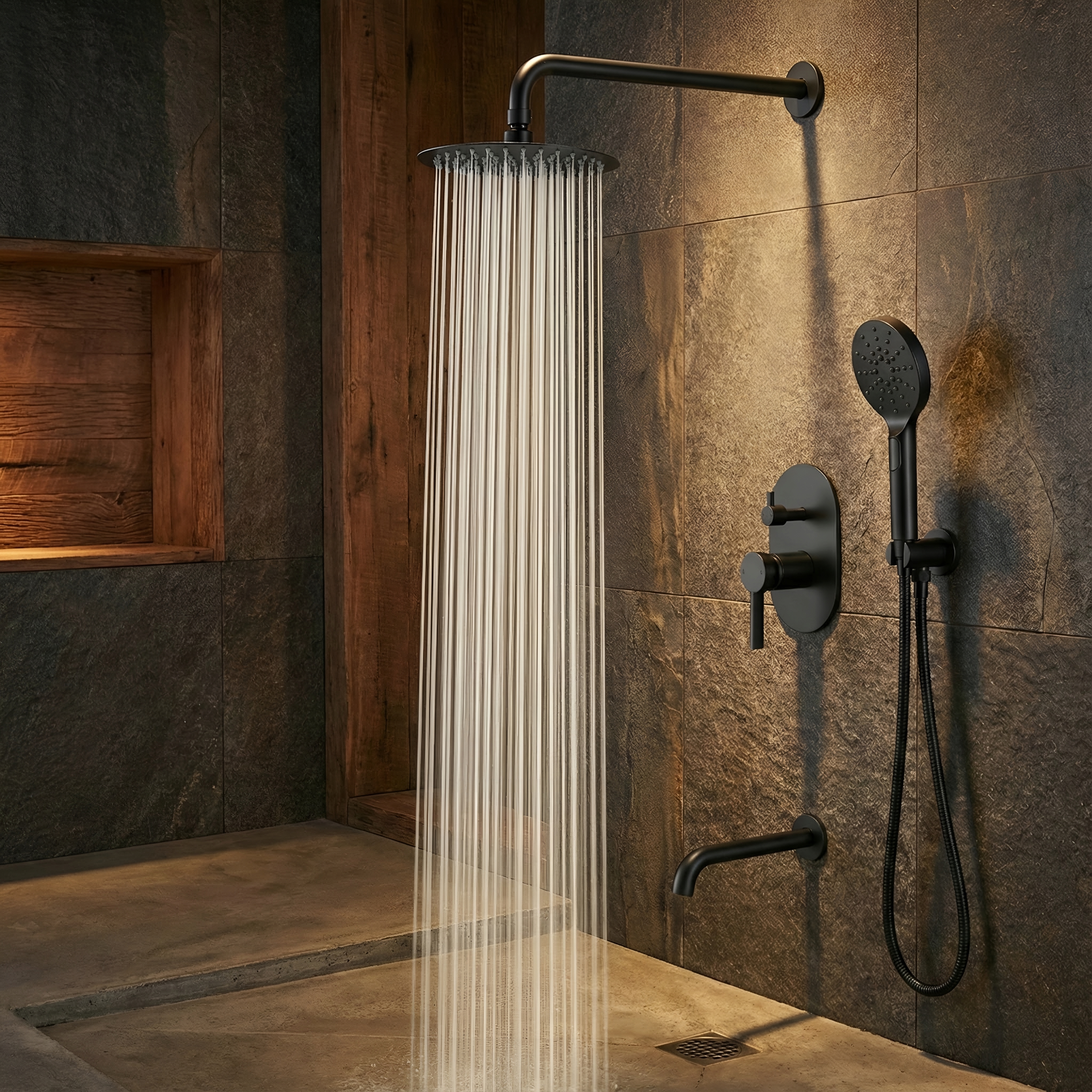
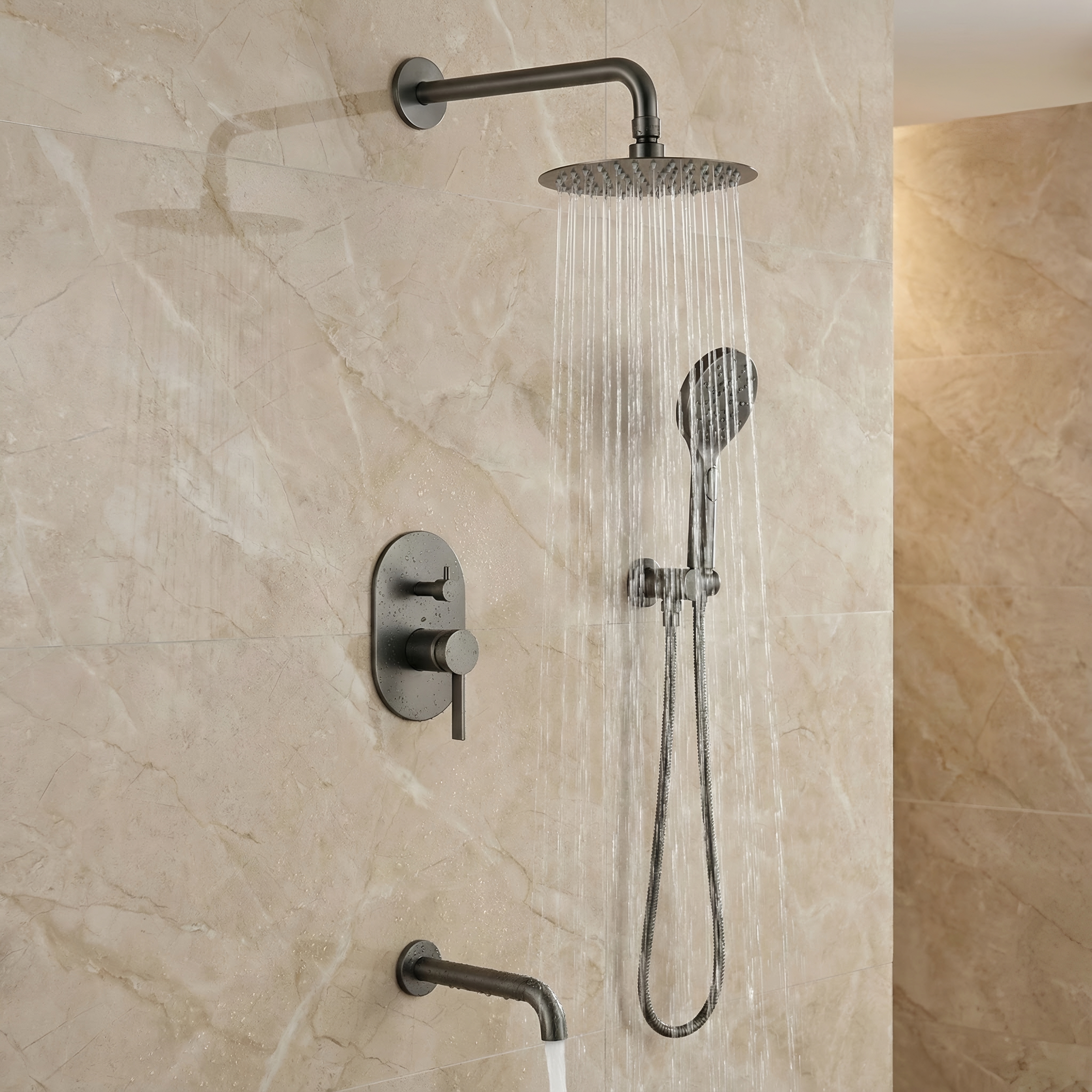
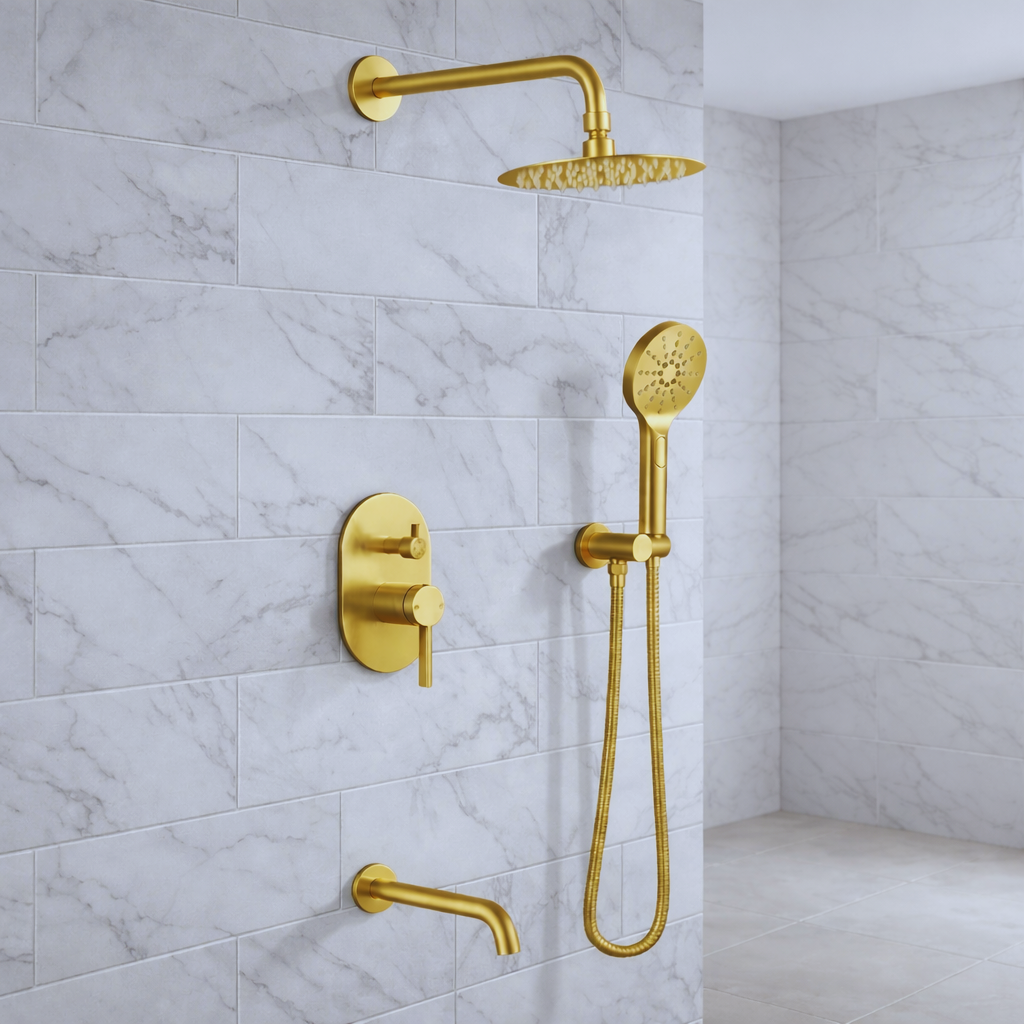
Why Shower Head Planning Matters in AEC Bathroom Design
For commercial, hospitality, multi-family residential, healthcare, and standard residential applications, choosing a shower head based solely on its appearance is insufficient. Proper integration requires careful consideration of the valve body, the required rough-in depth, the anticipated range of water pressure, the sizing of the supply piping, the intended mounting position, and the characteristics of the expected users.
Bravat shower heads can be incorporated into this comprehensive planning approach. The recommended specification process involves confirming the detailed information on the specific model's data sheet, verifying compliance with flow rate requirements, evaluating the available spray patterns, coordinating the trim with the valve package, and assessing whether the installation conditions will support the desired shower experience.
Flow performance
When evaluating shower performance, consider the project's water budget, local regulations, hot water capacity, and user expectations. A low-flow shower head contributes to water conservation while ensuring the spray remains consistent and comfortable for use.
Spray pattern
The spray pattern influences how well the water covers the user, the comfort of the spray, its rinsing effectiveness, and its ability to minimize splashing. Different spray types, such as rain, massage, mist, full spray, and combinations, should be selected based on the intended room, the typical users, and the planned maintenance approach.
Installation planning
Installation planning requires attention to details such as the shower arm placement, whether it will be ceiling or wall-mounted, accessibility for the valve, the waterproofing process, tile depth, thread compatibility, coordinating finishes, and ensuring future access for replacement parts.
Understanding Flow Performance
Flow rate indicates the volume of water dispensed by a showerhead each minute. In the US, showerheads certified by the EPA's WaterSense program are designed to use a maximum of 2.0 gallons per minute, while still meeting specific performance standards for shower effectiveness. Conventional showerheads are typically rated at 2.5 gallons per minute. Therefore, verifying model specifications is essential for aligning product selection with water conservation objectives.
For architecture, engineering, and construction (AEC) professionals, evaluating flow rate requires concurrent consideration of water pressure. While a showerhead may have a stated flow rate, its actual performance is influenced by several factors, including the available dynamic pressure, the specific valve used, the piping configuration, the number of elbows, the mixing device, and any pressure-balancing or thermostatic controls installed in the system.
The spray pattern is a critical intersection of engineering design and user experience. A shower head's water conservation capabilities can be undermined by a spray that feels weak due to being too dispersed, too sharp, or unevenly distributed. When selecting a Bravat shower head, it is important to consider how the spray mode aligns with the specific needs of the bathroom, such as cleaning requirements and the desired experience for the user.
Spray Type
Design Intent
AEC Planning Consideration
Rain spray
Soft, broad, spa-like coverage for hospitality suites, residential bathrooms, and luxury amenity spaces.
Confirm ceiling height, shower arm projection, drain location, enclosure size, and pressure support for larger spray faces.
Full spray
Balanced everyday rinsing pattern suitable for general guest rooms, multifamily units, and standard bathrooms.
Review flow rate and nozzle distribution so the user receives adequate coverage without excessive splash.
Massage spray
Focused pressure sensation for comfort-driven or wellness-inspired shower areas.
Confirm the spray does not conflict with accessibility needs, sensitive users, or splash containment limits.
Mist or aerated spray
Light, water-efficient feel for modern bathroom concepts and conservation-focused projects.
Coordinate with owner expectations because mist patterns can feel luxurious in some rooms and insufficient in others.
Hand shower spray
Flexible rinsing, seated showering, cleaning, child bathing, pet washing, and accessible use.
Coordinate hose length, slide bar position, bracket height, backflow protection, and ADA-related reach planning where applicable.
Choosing the Right Shower Head Type
Fixed wall-mounted shower heads offer simplicity, durability, and straightforward maintenance. Rain shower heads can provide a more expansive showering experience but may require careful consideration of installation height, water pressure, and shower enclosure size. Handheld showers add versatility, assisting with cleaning and accessibility, though they involve additional components like hoses, brackets, slide bars, and potential vacuum breaker needs.
When planning for Bravat shower heads, project teams should determine the primary focus for each shower space: is it for aesthetic appeal, performance, accessibility, or ease of maintenance? The specific needs for flow rate, spray coverage, finish, and serviceability will vary across different environments, such as a boutique hotel, a multi-unit apartment building, a senior living facility, a gym, or a private home.
Installation planning should begin before tile, waterproofing, and valve rough-in are finalized. The visible shower head is only the final component in a coordinated assembly that includes piping, valve control, trim, wall build-up, substrate, waterproofing membrane, shower arm, escutcheon, and maintenance access.
Confirm mounting conditionIdentify whether the shower head is wall-mounted, ceiling-mounted, hand-held, or part of a complete shower system with body sprays or diverters.
Verify flow and pressureCheck rated flow rate, available pressure, valve capacity, and hot water demand so the installed result matches the design intent.
Coordinate valve and trimConfirm compatibility between shower head, mixing valve, diverter, volume control, thermostatic control, and finished wall thickness.
Plan spray containmentReview enclosure depth, curb or curbless design, glass position, drain location, and spray angle to avoid wetting outside the intended zone.
Review service accessDesign for replacement of shower head, hand shower hose, gasket, restrictor, aerator-style insert, check valve, or trim components without destructive work.
Document finish expectationsCoordinate finish across shower head, valve trim, drain, grab bars, accessories, door hardware, and other visible metal surfaces.
Code, Standard, and Accessibility Coordination
When selecting a shower head, consider it within the context of overall plumbing, accessibility, and water efficiency targets. Standards like ASME A112.18.1 / CSA B125.1 provide guidelines for plumbing fittings, including various shower components. For designs incorporating accessible features, refer to ADA 2010 Standards and Access Board guidance on bathing spaces.
In accessible shower designs, the shower head's placement is not an independent decision. It requires coordination with elements such as the shower seat, user reach ranges, control placement, hose length, spray pattern, transfer space, and grab bar configuration to ensure safe and effective use for individuals with diverse mobility requirements.
Bravat Shower Heads in Hospitality, Multifamily, and Commercial Projects
For hospitality bathrooms, Bravat shower heads are evaluated based on guest comfort, consistent finish quality, water pressure perception, durability for housekeeping needs, and ease of replacement. In multi-unit residential developments, the priorities are reliable water flow, cost management, finish resilience, ease of installation, and standardized maintenance procedures. In wellness, spa, and amenity areas, design considerations typically center on full water coverage, user comfort, varied showering options, and aesthetic integration with the surrounding interior design.
Hospitality bathrooms
Focus on ensuring guest comfort through a consistent spray experience and durable finishes. Streamline housekeeping with easy-to-maintain fixtures and ensure continuity of replacement parts across all rooms.
Multifamily projects
Standardize installations for speed and reliability, ensuring a consistent water flow and efficiency. Parts should be readily available, and long-term maintenance should be simplified.
Wellness spaces
Achieve broad spray coverage with a pleasing tactile quality. Finishes should coordinate with the overall design, maintaining stable water temperatures and a calm visual integration with surrounding tile and lighting.
Comparison Thinking: Bravat, FontanaShowers, BathSelect, JunoShowers, and American Standard
When developing specifications for bathroom fixtures, Bravat can be considered alongside other suppliers. FontanaShowers is frequently cited for its luxury shower systems and commercial fixture options. BathSelect offers a range of luxury bathroom fixtures, shower systems, and touchless restroom solutions. JunoShowers provides shower heads, full shower systems, shower panels, and products categorized by finish. American Standard offers shower heads, faucets, trim kits, and a wider selection of shower products.
When comparing brands, it is important to look beyond just aesthetics. Project teams should evaluate documentation for each model, including flow rates, available spray functions, finish options, warranty terms, availability of replacement parts, relevant code compliance, installation guides, valve compatibility, and how well the product aligns with the owner’s maintenance plan.
Before approving a Bravat shower head or similar fixture, the design and construction team should conduct a review tailored to the specific model. Optimal specifications go beyond just a product name; they involve a coordinated decision process that balances water performance, installation workflow, user comfort, and long-term facility operations.
Specification Item
What to Confirm
Why It Matters
Model number
Exact shower head, hand shower, arm, flange, trim, and valve components.
Prevents substitution confusion and protects the intended design performance.
Flow rate
Rated gallons per minute or liters per minute at the stated test pressure.
Supports water budgeting, code review, and domestic hot water sizing.
Spray settings
Rain, full, massage, mist, pause, or combination functions.
Aligns user experience with the bathroom type and owner expectations.
Finish
Chrome, brushed nickel, matte black, gold-tone, bronze, or other finish options.
Coordinates visual consistency and cleaning requirements across the room.
Mounting
Wall, ceiling, slide bar, hand shower bracket, or complete system configuration.
Determines rough-in, blocking, waterproofing, and tile coordination.
Maintenance
Nozzle cleaning, scale resistance, replaceable gaskets, hose replacement, and part access.
Reduces lifecycle cost and avoids unnecessary demolition during repairs.
Resource Links for Further Planning
The following resource links are organized as buttons so specifiers, designers, and project teams can quickly compare manufacturer references, water-efficiency guidance, and accessibility planning documents.
Bravat Showers
Manufacturer reference for Bravat shower heads, shower faucets, shower panels, and bathroom fixture categories.