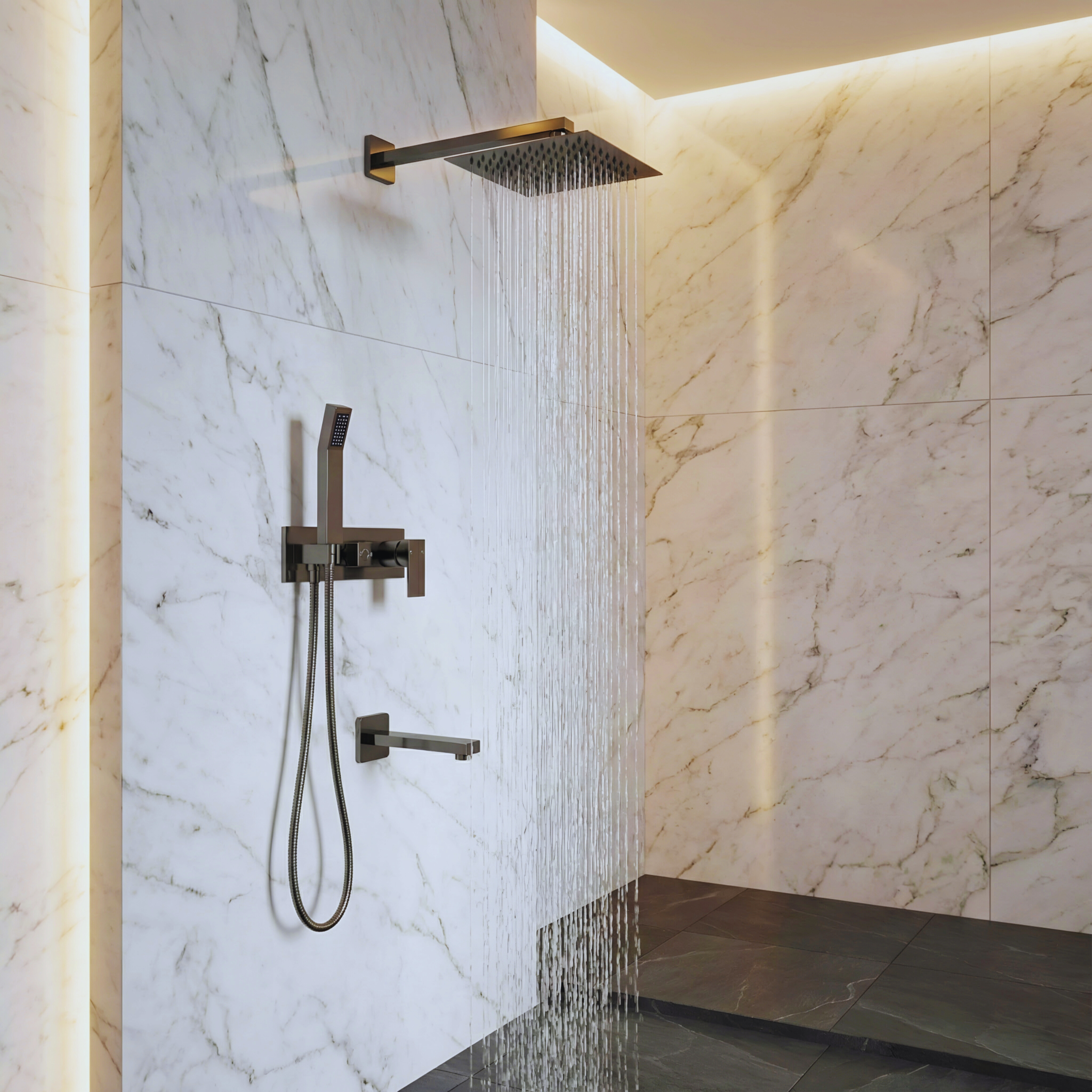
How Bravat Shower Valves Support Consistent Water Delivery in Multi-User Bathrooms
Shower valves are essential in hospitality, residential buildings, gyms, and commercial spaces, directly impacting user experience by controlling water temperature, pressure, and flow consistency. This article examines how Bravat shower valves perform in environments with multiple users, covering aspects such as thermostatic control, pressure-balancing capabilities, diverter functionality, water demand management, installation planning, system commissioning, maintenance considerations, and long-term facility records.
The shower valve serves as the central control for a shower system, managing hot and cold water mixing, pressure adjustments, user preferences, flow rate, and the selection of shower outlets. While a single shower in a private bathroom operates independently, the performance demands increase significantly in multi-unit buildings where numerous showers can be in use simultaneously during peak times. Therefore, evaluating shower valve performance must consider the entire building's water system.
Bravat shower valves are designed to function as integral components of a complete shower system. The visible trim is only an exterior element. Crucial performance aspects, such as water mixing, temperature regulation, and water flow, are determined by internal components located behind the wall. These include the valve body, cartridge, check stops, mixing mechanisms, and diverters. Additionally, the installation's supply piping and access strategy significantly influence the fixture's performance after it is installed.
In multi-user bathroom settings, operational demands exceed those of standard residential bathrooms. Simultaneous use of multiple fixtures can lead to significant water draw. Furthermore, hot water return temperatures may experience fluctuations, and system pressure can vary when nearby showers, lavatories, flush valves, or service equipment are in operation.
Peak Demand
In locations like hotels, gyms, and dormitories, heavy shower usage frequently occurs during peak times, such as mornings, evenings, or following scheduled events.
Pressure Fluctuation
This concentrated demand can strain hot and cold water supply pressures. This issue is more likely to arise if pipe sizing and system balancing were not considered during the initial design phase.
Temperature Stability
Occupants generally expect a consistent shower temperature, regardless of whether other fixtures within the same area are in use.
Valve Types and Their Role in Consistent Delivery
Bravat shower valves are available in several configurations, including thermostatic, pressure-balancing, concealed, and exposed. They can also be found as single-outlet or multi-outlet options, depending on the specific shower package. Choosing the correct valve type for your installation involves considering the application, local building codes, user needs, and long-term maintenance requirements.
Valve Strategy
Primary Function
Best Project Fit
AEC Review Action
Thermostatic Valve
Helps maintain selected outlet temperature by responding to supply-temperature changes.
Hotels, spas, senior-oriented housing, premium multifamily, and high-comfort shower rooms.
Confirm temperature limit setting, cartridge access, hot-water design, and commissioning procedure.
Pressure-Balancing Valve
Responds to changes in hot and cold supply pressure to reduce sudden temperature shifts.
Standard residential, multifamily, guest rooms, and commercial shower applications.
Confirm pressure range, pipe sizing, valve compatibility, and local code requirements.
Diverter Valve
Routes water between outlets such as fixed head, hand shower, tub spout, or body sprays.
Multi-outlet showers, suites, spas, accessible rooms, and premium bathrooms.
Define outlet sequencing and whether outlets operate independently or simultaneously.
Concealed Valve
Places the valve body inside the wall while leaving trim and controls visible.
New construction, luxury bathrooms, hotels, and design-led projects.
Verify wall depth, service access, trim tolerance, and waterproofing sequence before wall closure.
Exposed or Wall-Mounted Valve
Keeps more functional components visible or service-accessible at the finished wall plane.
Renovations, retrofit projects, staff showers, and maintenance-priority buildings.
Review mounting strength, supply alignment, finish coordination, and cleaning exposure.
Thermostatic Control and User Comfort
Thermostatic shower valves are frequently considered when maintaining user comfort and consistent water temperature is important. In shared bathrooms, fluctuating temperatures can arise from simultaneous fixture use or imbalances in the hot water system. A thermostatic valve can improve shower performance predictability, but its effectiveness depends on alignment with the building's overall hot water design.
Where Thermostatic Valves Help
These valves can enhance guest satisfaction in environments such as hotels, spa facilities, senior living communities, and upscale multi-unit residences. They are also beneficial where users might be unfamiliar with shower controls and expect a rapid transition to a comfortable temperature.
What Must Be Coordinated
For optimal integration, plumbing engineers should evaluate hot water generation, recirculation temperature, pressure variations, pipe sizing, valve capacity, and the chosen mixing strategy. Contractors are responsible for verifying temperature limit settings, trim installation, accessibility for maintenance, and proper commissioning documentation.
Pressure Balancing During Simultaneous Use
In environments where multiple people use water simultaneously, fluctuations in water pressure can lead to an inconsistent shower experience. When water is drawn from the same supply system by another fixture, it can alter the pressure balance between the hot and cold water lines. A pressure-balancing valve is designed to mitigate abrupt temperature changes resulting from these pressure shifts.
Peak-Use Scenarios
Periods of high water usage, such as when hotel guests shower before checking out, gym members use facilities after workouts, students shower in dormitories, or multiple residents in an apartment building draw water at once, are critical to consider when assessing valve performance.
System-Level Review
The effectiveness of a pressure-balancing valve is also influenced by the overall water distribution system. Factors like pipe dimensions, the arrangement of pipe branches, pressure-reducing valves, water pumps, recirculation systems, and the flow rates of fixtures can all impact the water delivery at the shower head.
Multi-outlet shower systems integrate various components such as rain showerheads, fixed showerheads, handheld showerheads, tub spouts, and body sprays. Setting up these systems requires careful coordination of valves and diverters. This is because the sequence in which water is directed to different outlets affects water flow requirements and the overall user experience.
Independent Operation
Each outlet functions independently, which can streamline installation planning and decrease peak water usage within the shower unit.
Shared Operation
Simultaneous operation of multiple outlets is possible, but this necessitates a detailed assessment of valve capacity, pipe dimensions, hot water requirements, and drainage capabilities.
User Interface
The diverter is designed for intuitive use, allowing users to easily identify the active outlet without needing to experiment.
Flow Performance and Showerhead Coordination
When evaluating shower systems, it's essential to consider valve performance in conjunction with the showerhead. A valve's effectiveness can be diminished if the showerhead's flow rate, spray pattern, pipe size, or available water pressure isn't properly matched. This coordination is particularly critical in bathrooms used by multiple people, as the system may be subjected to its highest demand during peak usage times.
Pressure Compensation
Showerhead performance should be assessed under a realistic range of water pressures. This approach helps ensure that a shower performs adequately during periods of high building demand, rather than just in controlled, isolated testing environments.
Water Efficiency
While water-efficient showerheads contribute to reduced water and energy consumption, it's important for project teams to verify that these fixtures still meet user expectations regarding comfort, spray force, coverage, and consistent flow for their specific application.
Bravat shower valves should be coordinated before wall closure. The valve body, trim plate, handle projection, cartridge access, supply orientation, finished wall thickness, waterproofing, and service strategy all affect long-term performance.
Installation Item
Why It Matters
Field Verification
Valve Depth
Incorrect depth can prevent trim from seating correctly after tile installation.
Confirm rough-in range against tile, substrate, waterproofing, and finished wall depth.
Supply Orientation
Reversed hot and cold supplies can create unsafe or confusing operation.
Verify hot and cold connections before pressure testing and wall closure.
Service Access
Cartridges, check stops, filters, and diverters may need future replacement.
Identify whether components are accessible from the finished side or require a panel.
Waterproofing
Valve penetrations can become moisture-risk points if not sealed correctly.
Coordinate waterproofing details with the tile contractor and plumbing installer.
Temperature Limit Setting
Improper setting can affect comfort and safety after turnover.
Record commissioning settings and provide them to the facility team.
Commissioning for Consistent Water Delivery
Key performance indicators to test include the correct orientation of hot and cold water supplies, water pressure during operation, temperature limit settings, smooth outlet transitions, adequate reach of hand shower hoses, accurate spray coverage, effective drain performance, and accessible service points. For projects involving identical or similar rooms, such as hotels or multi-family dwellings, it is advisable to test a mock-up unit before authorizing mass installation.
Recommended Commissioning Checks
Key performance indicators to test include the correct orientation of hot and cold water supplies, water pressure during operation, temperature limit settings, smooth outlet transitions, adequate reach of hand shower hoses, accurate spray coverage, effective drain performance, and accessible service points. For projects involving identical or similar rooms, such as hotels or multi-family dwellings, it is advisable to test a mock-up unit before authorizing mass installation.
Documentation
Documentation should encompass detailed records of model numbers, finish codes, valve types, cartridge specifications, confirmed operational settings, flow configurations, recommended cleaning procedures, warranty information, and any suggested spare parts.
Maintenance and Facility Management Considerations
Consistent water delivery depends on maintenance after occupancy. Mineral scale, debris, worn cartridges, altered temperature settings, damaged trim, and undocumented substitutions can all affect shower valve performance. Facility teams need clear records and accessible service points.
Cartridge Access
Identify how cartridges are accessed and replaced without damaging finished wall materials.
Check Stops and Filters
Serviceable inlet components can help isolate the valve and manage debris-related performance issues.
Water Management
Multi-user buildings should coordinate fixture maintenance with the building’s broader water management program.
Bravat shower valve selection should be scheduled by room type and operating condition. A premium suite, fitness shower room, accessible guest room, and standard apartment bathroom may require different valve strategies.
Use these resource buttons during early design, submittal review, mock-up planning, commissioning, and facility turnover. Final product selections should always be verified against current manufacturer instructions, approved plumbing drawings, local code requirements, and project specifications.
How do Bravat shower valves support consistent water delivery?
Bravat shower valves support consistent delivery by controlling how hot and cold water are mixed, how pressure changes are managed, and how water is routed to shower outlets. Consistency also depends on the building’s pipe sizing, pressure design, hot-water system, and commissioning.
Are thermostatic valves better for multi-user bathrooms?
Thermostatic valves are often preferred where temperature stability and user comfort are priorities, such as hotels, spas, and premium multifamily bathrooms. The final decision should be coordinated with local code, owner standards, plumbing design, and maintenance expectations.
What causes inconsistent shower temperature in multi-user buildings?
Inconsistent temperature can result from pressure fluctuation, undersized piping, unbalanced recirculation, insufficient hot-water capacity, incorrect valve settings, debris in inlet screens, worn cartridges, or simultaneous fixture use during peak demand.
What should contractors verify before closing the wall?
Contractors should verify valve depth, supply orientation, pressure test results, service access, waterproofing around penetrations, trim compatibility, temperature limit setting procedure, and final wall thickness before closing the wall.
Should shower valves be included in closeout documentation?
Yes. Closeout documents should include valve model numbers, finish codes, cartridge data, installation instructions, approved temperature settings, warranty information, cleaning guidance, spare-parts references, and service access notes.